ALL LATEST INSIGHTS
GREENCAP CIVIC INTELLIGENCE
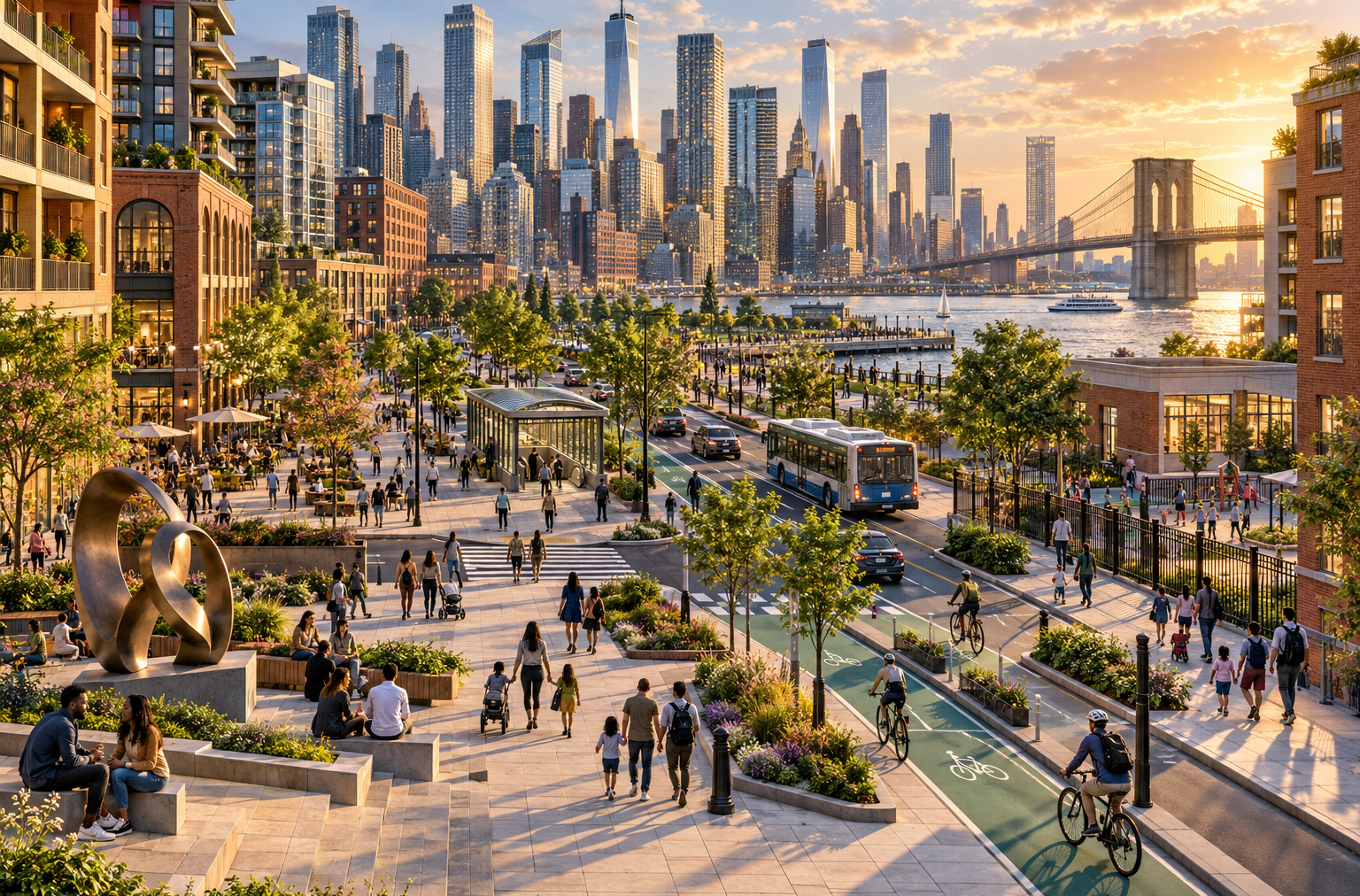
The strongest infrastructure does more than perform a function. It expands what a community can do next.
LEARN MORE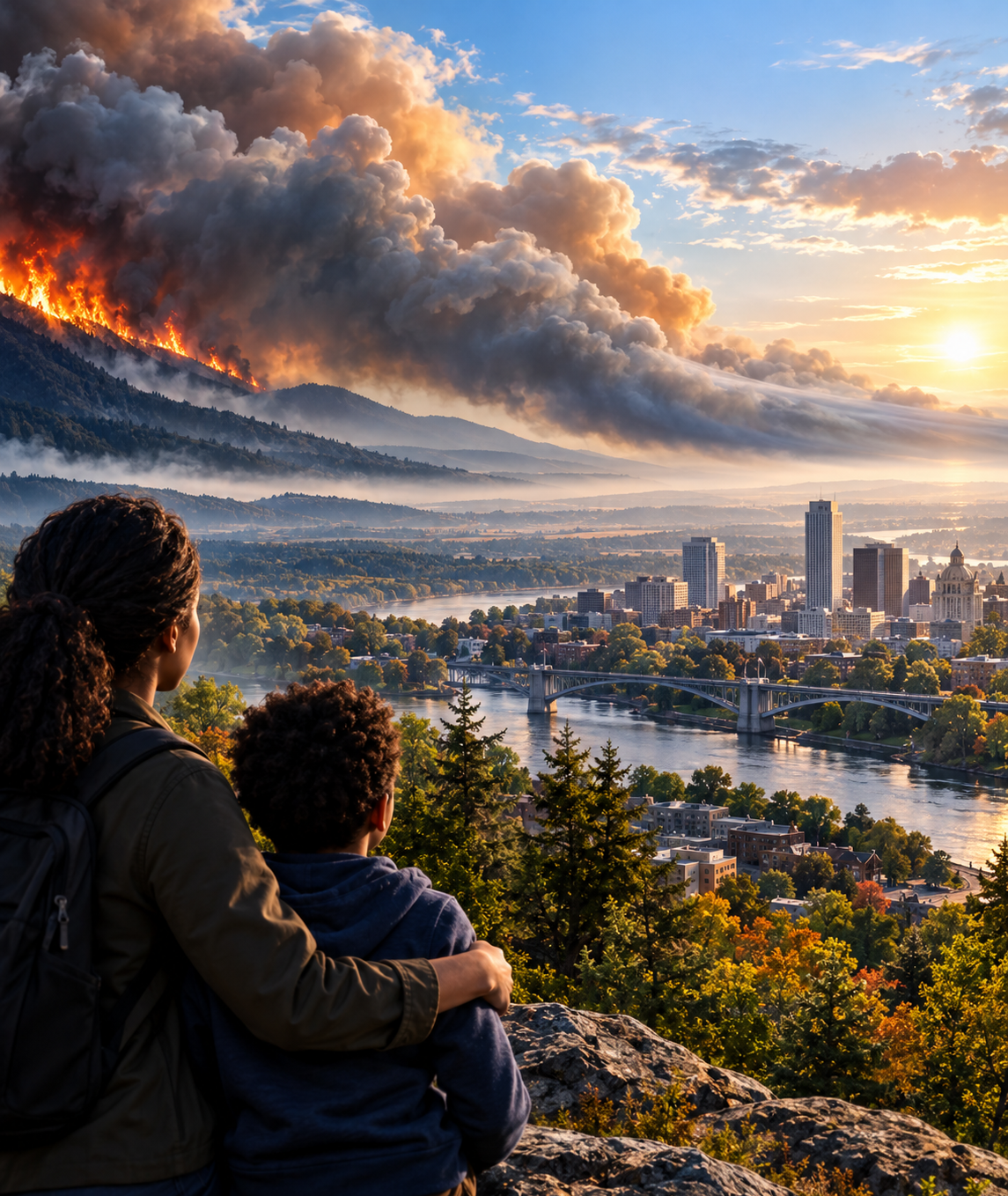
GREENCAP CIVIC INTELLIGENCE
Climate hazards can affect communities even if the danger does not reach them directly. Wildfire smoke can travel across regions and borders, extreme heat can happen alongside poor air quality, and fine particles can reach deep into the lungs. The World Meteorological Organization recently confirmed that air quality and climate are closely linked. As a result, resilience is no longer just about where hazards occur, but also about where their effects might spread and who needs protection when they do.
LEARN MORE
GREENCAP CIVIC INTELLIGENCE | SEPTEMBER 7, 2026
What causes a redevelopment vision to become a project that a community can really deliver?
LEARN MORE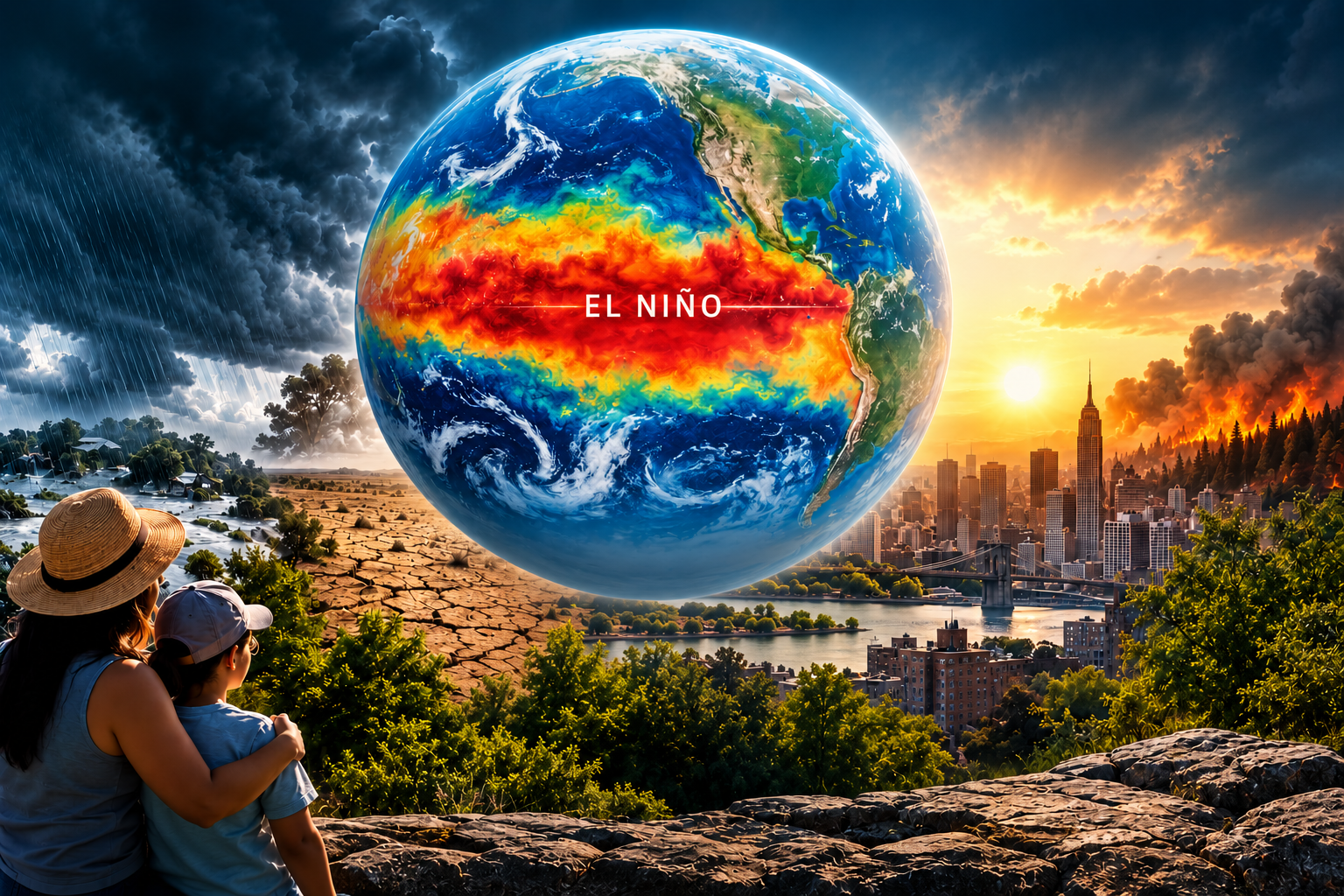
GreenCap Civic Intelligence
A Forecast Means Time to Get Ready The World Meteorological Organization says El Niño is already happening and will likely get stronger, with these conditions expected to last until February 2027. The effects will vary by region, but the main idea is simple: better forecasts give communities valuable time to prepare. As climate science spots risks sooner, the question is: What kinds of harm can communities avoid if they know about certain climate risks ahead of time?
LEARN MORE
WEEKLY CIVIC INTELLIGENCE Monday, August 31, 2026
A vacant factory can become housing. A roadway median can become flood infrastructure. A former institutional campus can become a technology district. An established research complex can position a region for industries that barely existed when its infrastructure was first built. The important redevelopment question is therefore not simply, "What can we build here?" It is: "What should this place enable the community to become?"
LEARN MORE
GREENCAP CIVIC INTELLIGENCE August 29, 2026
The connections between climate hazards are becoming stronger, yet our ability to predict them is increasing. Since the El Niño phenomenon is intensifying and there is still a lot of heat, together with droughts, wildfires, and flooding, weather forecasts should not just focus on describing the weather but should also help communities to protect their health before these situations develop into emergencies. (WMO, July 31 and August 12, 2026; WHO, August 12, 2026)
LEARN MORE
GREENCAP CIVIC INTELLIGENCE
When extreme heat becomes predictable, protection must become part of how communities are built. July 2026 became the warmest month ever recorded across the contiguous United States. But temperature alone does not explain the growing health risk. Prolonged heat now affects people, housing, workplaces, air quality, infrastructure, agriculture, and public budgets at the same time. The central question is changing: how do we build communities that remain healthy when extreme heat becomes less exceptional and more persistent?
LEARN MORE
GREENCAP CIVIV INTELLIGENCE Monday, August 17, 2026
How transportation, housing, clean mobility, and advanced manufacturing connect investment to opportunity. Redevelopment is often measured by what gets built. But the deeper question is whether new investment expands access to opportunity. This week's Watch follows that question across New York. Utica is rebuilding a major gateway around safer multimodal access. Dunkirk is turning underused sites into affordable housing with supportive services. Mount Vernon is adding transit-oriented homes beside Metro-North. New York is expanding public EV-charging infrastructure, while Western New York is strengthening advanced-manufacturing capacity. Together, these developments point toward a broader standard: strong redevelopment connects land to infrastructure, housing to mobility, industry to talent, and investment to public value. Our editorial promise: clear enough for everyone, credible enough for professionals, and actionable for decision-makers.
LEARN MORE
GREENCAP CIVIC INTELLIGENCE August 14, 2026
When Extreme Heat Becomes a System Test Extreme heat is no longer only a weather emergency. It is testing whether health systems, infrastructure, and communities are prepared for a hotter and more volatile climate. New warnings from the World Meteorological Organization, WHO's El Niño preparedness work, and continuing wildfire emergencies point in the same direction: climate risks are becoming more connected. The critical question is shifting from how quickly can we respond? to how much risk can we prevent before an emergency begins? That shift may define the next era of climate resilience.
LEARN MORE
GREENCAP CIVIC INTELLIGENCE Monday, August 10, 2026
The most visible redevelopment projects are rarely the systems that make growth possible. This week, New York's strongest signals point beneath the surface: water and sewer capacity, public space, aging transit, climate-ready infrastructure, and development sites prepared for long-term use.
LEARN MORE
GREENCAP CIVIC INTELLIGENCE August 8, 2026
Severe heat strained health systems, energy networks, transportation, and communities across several regions, while wildfires intensified the risk. Climate hazards increasingly disrupt multiple systems at once. (Reuters, August 4–6, 2026) WHO identifies heat stress as a leading cause of weather-related deaths, with an estimated 489,000 deaths annually worldwide between 2000 and 2019. (WHO, July 13, 2026) The central question is not only how hot communities will become, but how prepared they will be. Hospitals, housing, trees, cooling centers, energy systems, public spaces, and neighborhood design are all part of the answer. Resilience begins before the emergency.
LEARN MORE
GreenCap Friday Climate & Health Brief
Climate change is transforming the way we live, work, and build our communities. This week's GreenCap Civic Intelligence | Climate & Health Brief translates the latest research on climate, environmental health, and community resilience into practical insight for everyday citizens, professionals, researchers, and decision-makers. Through independent civic intelligence, GreenCap explains not only what is changing, but why it matters, and how communities can prepare for a healthier, safer, and more resilient future.
LEARN MORE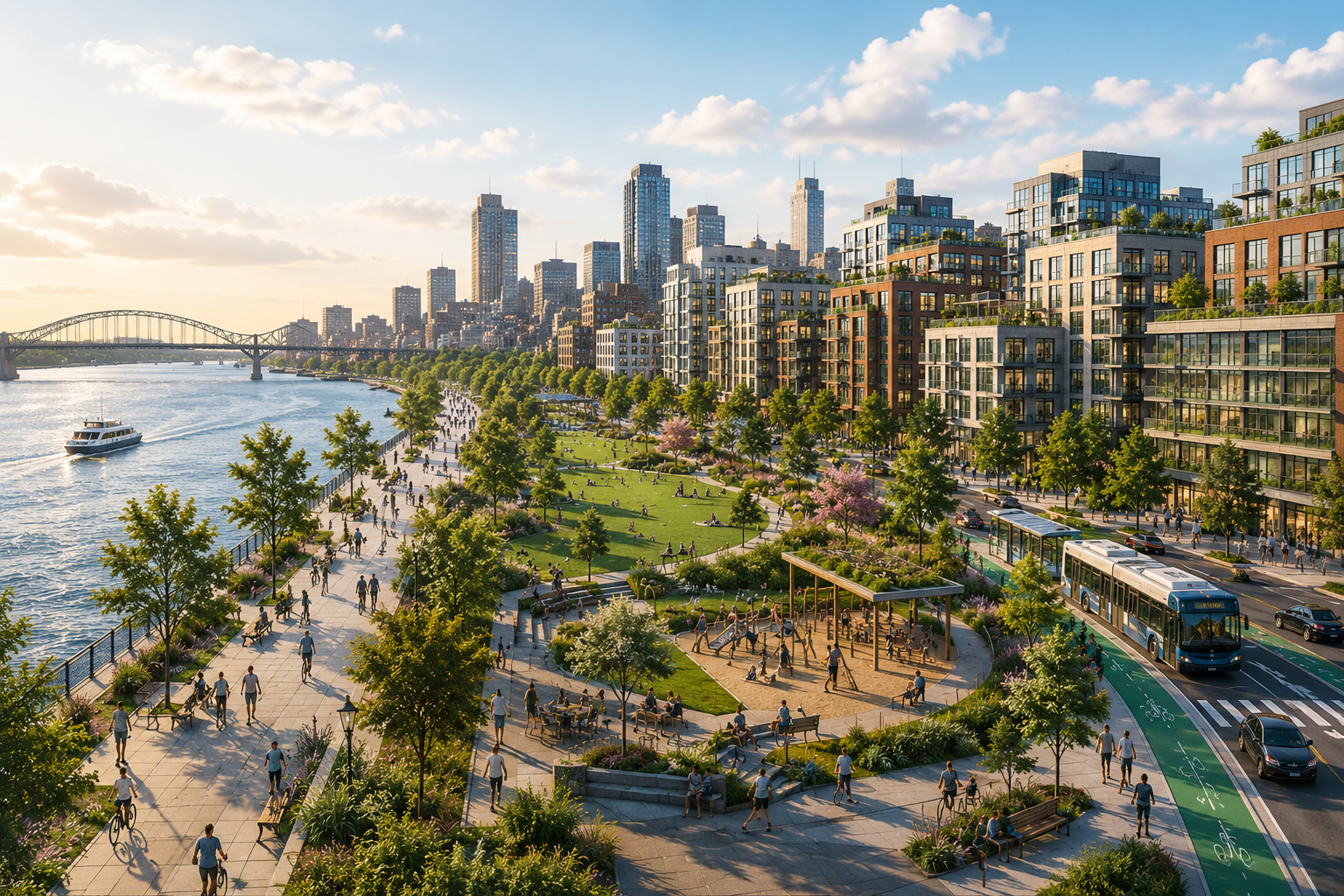
GREENCAP CIVIC INTELLIGENCE Monday, July 27, 2026
This week's GreenCap Redevelopment & Infrastructure Watch explores how housing, transportation, and infrastructure investments are reshaping communities across New York State. From waterfront revitalization in Buffalo to affordable housing in Utica and major transportation improvements across the state, this edition highlights a growing shift toward complete-community redevelopment, where infrastructure, public services, and economic opportunity are planned together to create stronger, more resilient places.
LEARN MORE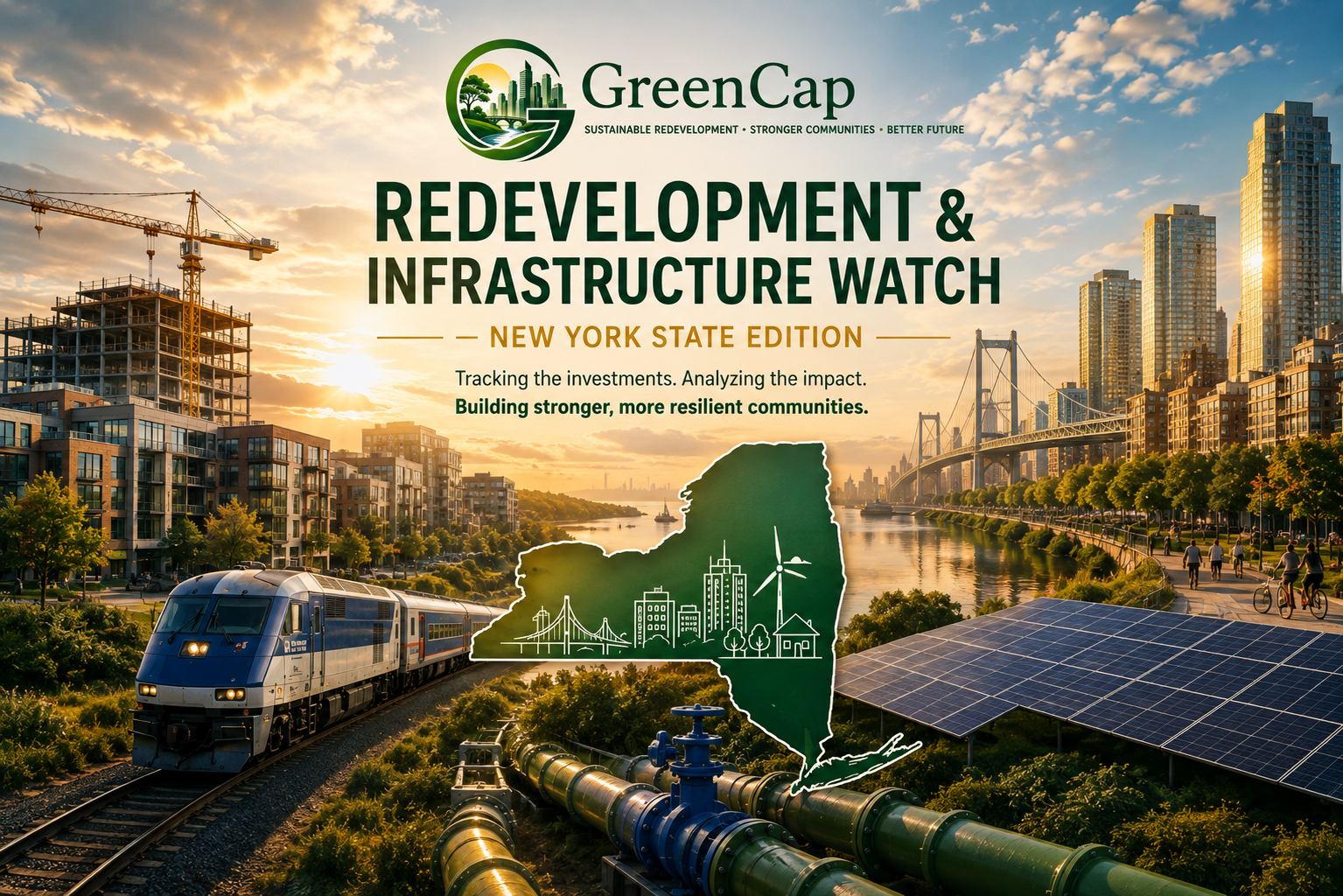
GREENCAP CIVIC INTELLIGENCE Monday, August 3, 2026
Communities are not transformed by individual projects alone. They are transformed by the systems that support them. This week's GreenCap Redevelopment & Infrastructure Watch examines five significant redevelopment and infrastructure developments across New York State, revealing how investments in water, transportation, housing, accessibility, and responsible economic growth are creating the conditions for stronger, more resilient communities. Through independent civic intelligence, GreenCap goes beyond the headlines to explain not only what is changing, but why it matters, and what it means for New York's future.
LEARN MORE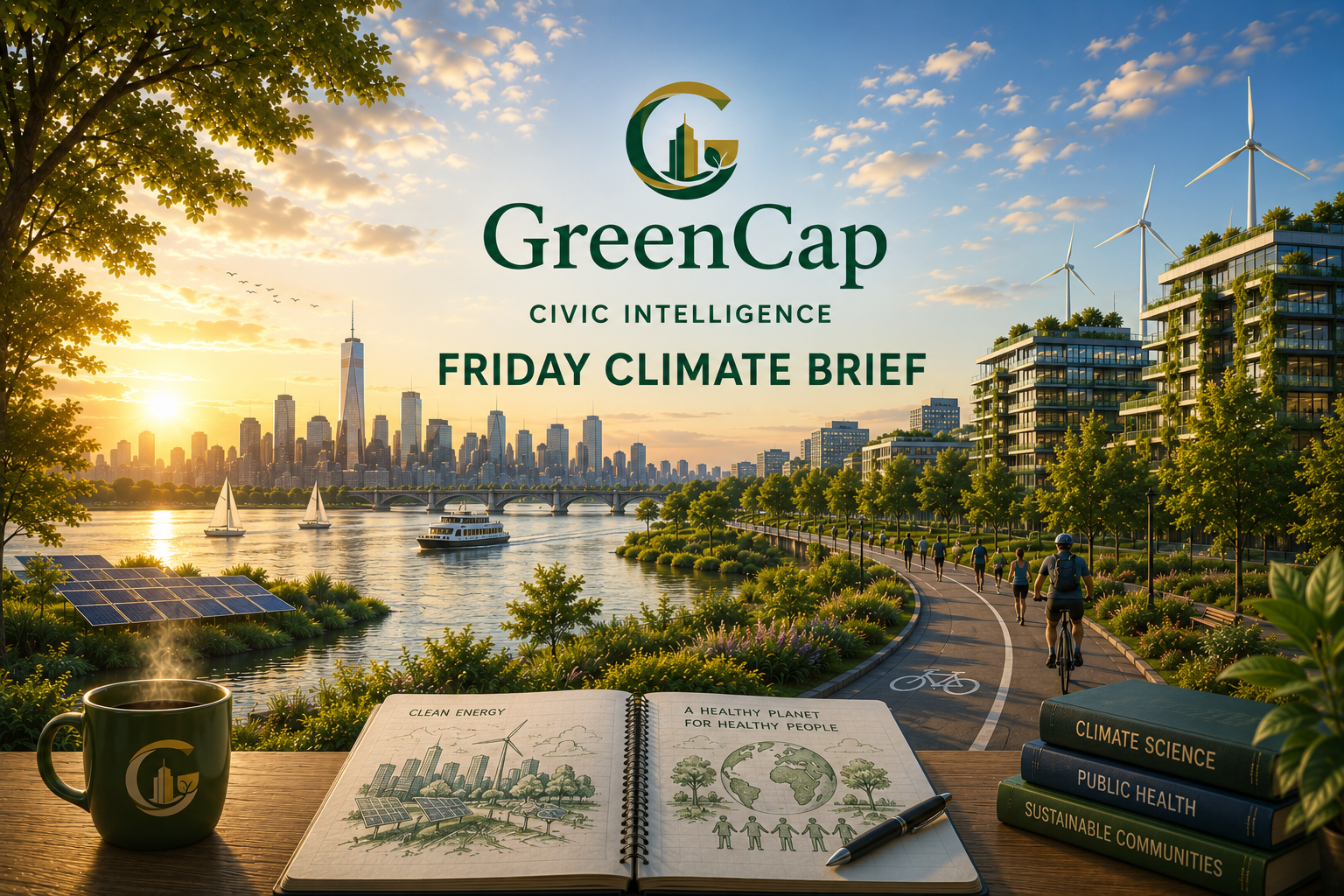
Friday Climate & Health Brief
This week’s climate-health story is not simply that temperatures are rising. It is that extreme heat is beginning to affect nearly every system people rely on: hospitals, workplaces, housing, transportation, emergency services, air quality, and community life. The clearest lesson is simple: climate resilience cannot remain an emergency plan activated only when danger arrives. It must become part of how communities design buildings, protect workers, communicate risks, support vulnerable residents, and prepare health systems throughout the year.
LEARN MORE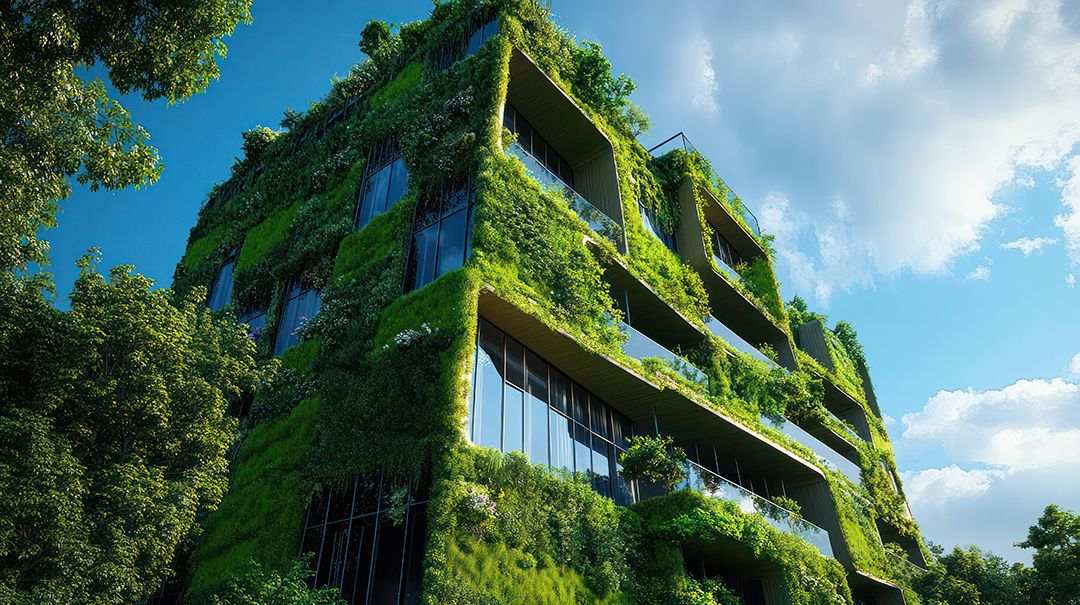
Green Buildings, Stronger Communities
Sustainable design creates healthier veighborhoods and a stronger future.
LEARN MORE