17000
Communities
6
Articles
Published
8
Projects
Documented
3
Strategic
Partners
Institutions
Collaborating
Featured Projects
View all Projects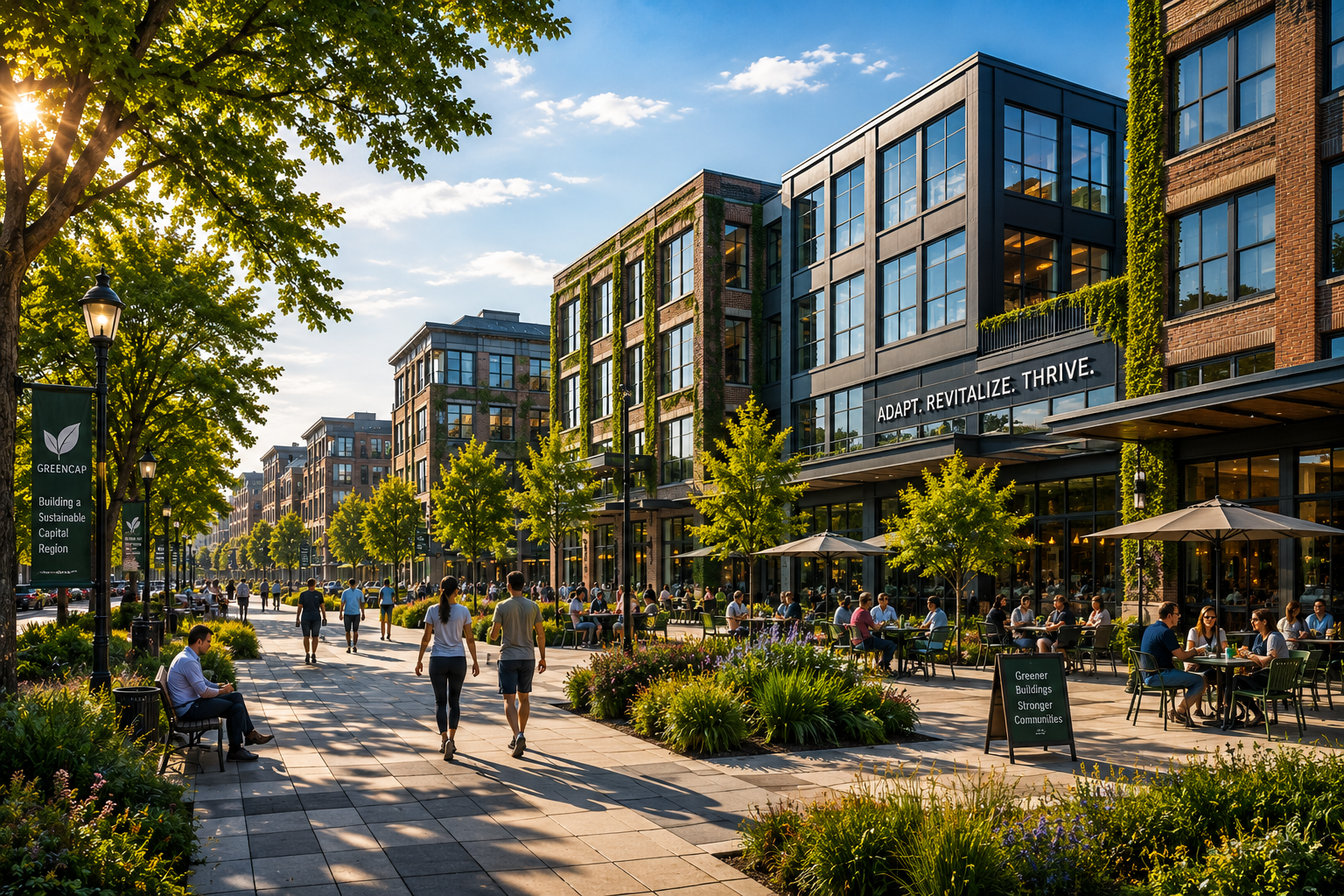

LATEST INSIGHTS
VIEW ALL INSIGHTS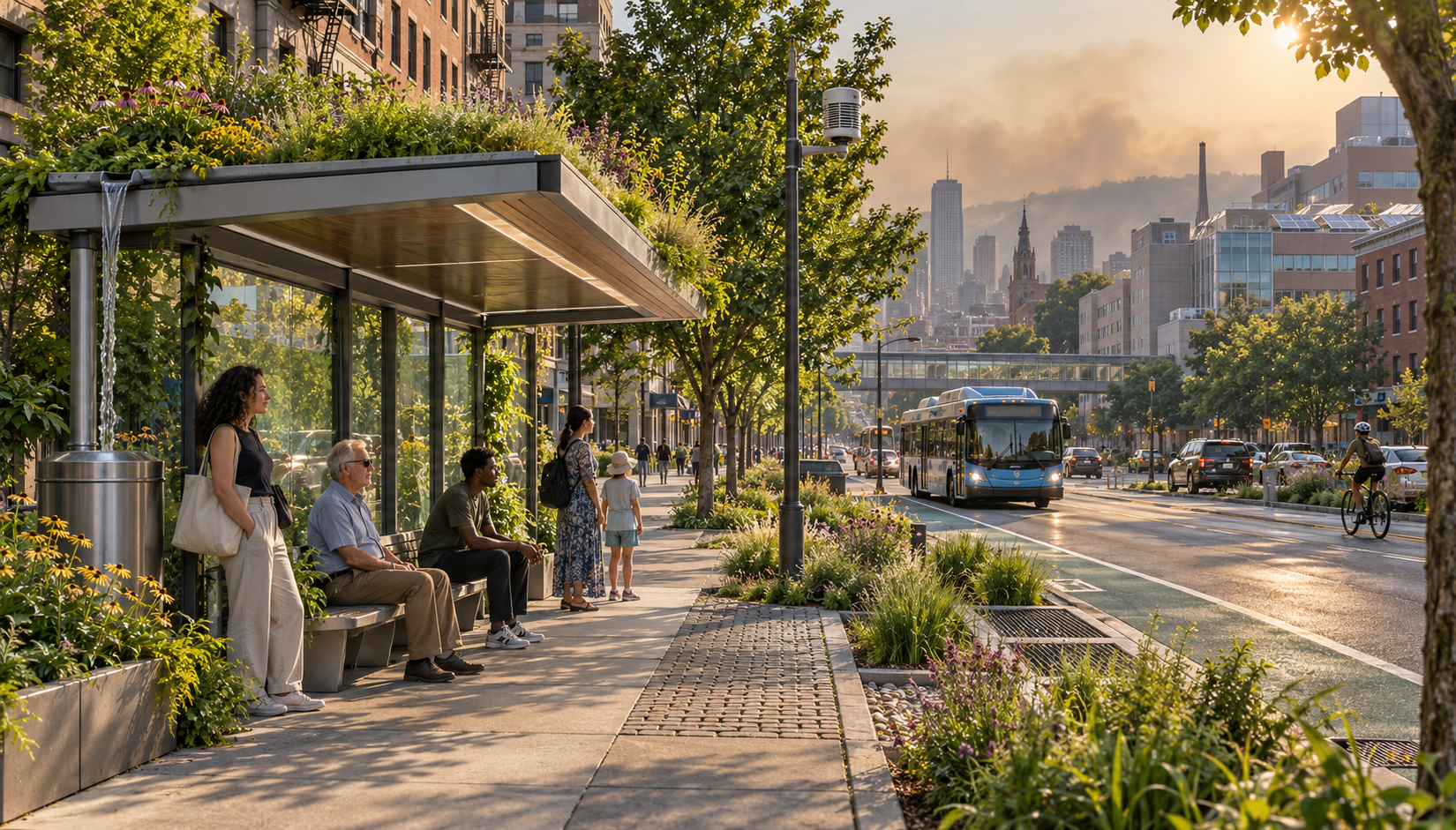
Climate & Health Brief
Sep 18,2026
GREENCAP CIVIC INTELLIGENCE
A resilient community is not one that simply responds well when climate hazards arrive. It is one whose everyday systems are increasingly designed for the conditions ahead. This week’s intelligence connects record U.S. heat, urban adaptation, air quality, power-sector policy, and global health-system resilience.
LEARN MORE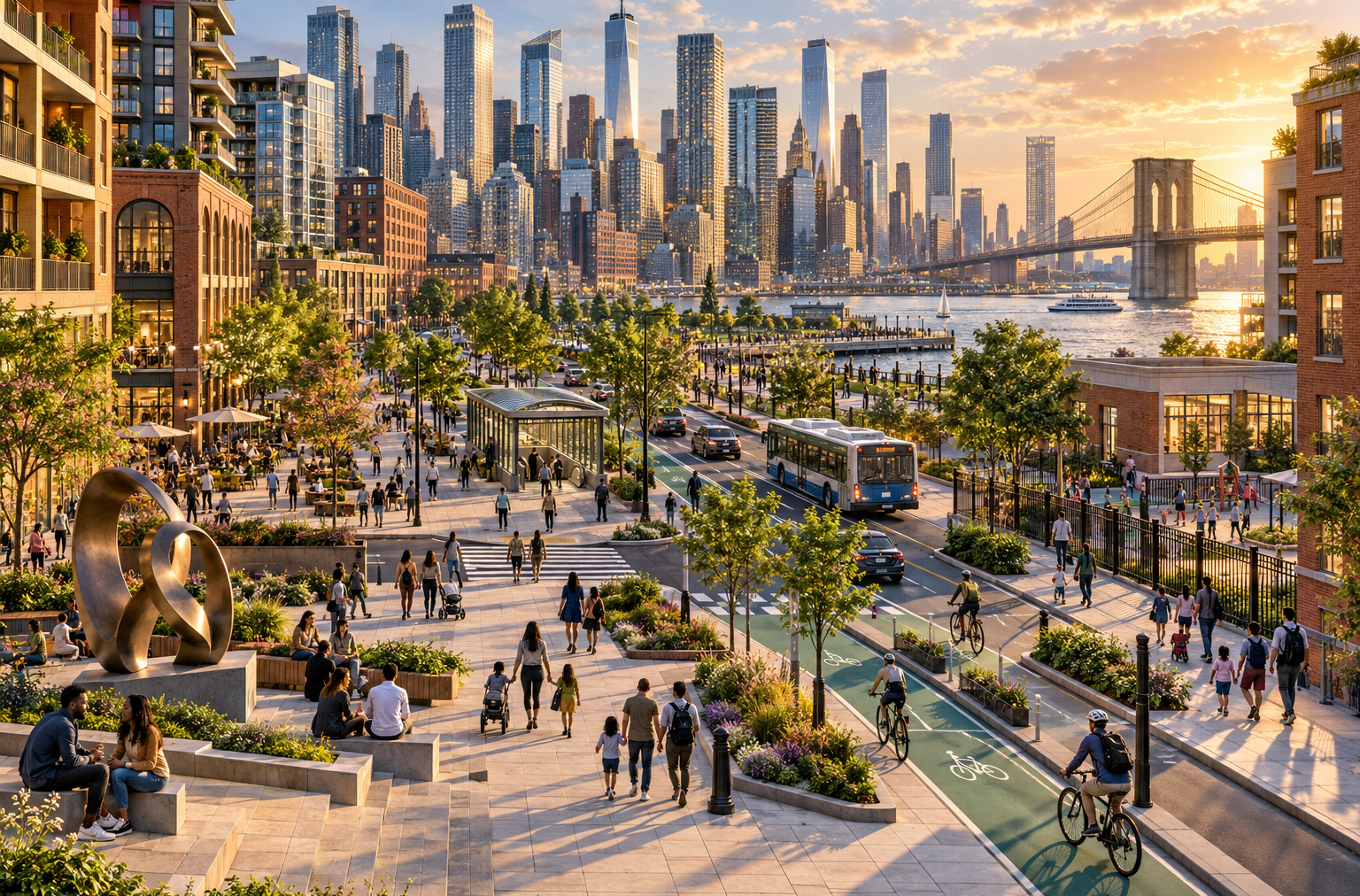
Redevelopment & Infrastructure Watch
Sep 14,2026
GREENCAP CIVIC INTELLIGENCE
The strongest infrastructure does more than perform a function. It expands what a community can do next.
LEARN MORE
Climate & Health Brief
Sep 11,2026
GREENCAP CIVIC INTELLIGENCE
Climate hazards can affect communities even if the danger does not reach them directly. Wildfire smoke can travel across regions and borders, extreme heat can happen alongside poor air quality, and fine particles can reach deep into the lungs. The World Meteorological Organization recently confirmed that air quality and climate are closely linked. As a result, resilience is no longer just about where hazards occur, but also about where their effects might spread and who needs protection when they do.
LEARN MORE
Redevelopment & Infrastructure Watch
Sep 07,2026
GREENCAP CIVIC INTELLIGENCE | SEPTEMBER 7, 2026
What causes a redevelopment vision to become a project that a community can really deliver?
LEARN MORE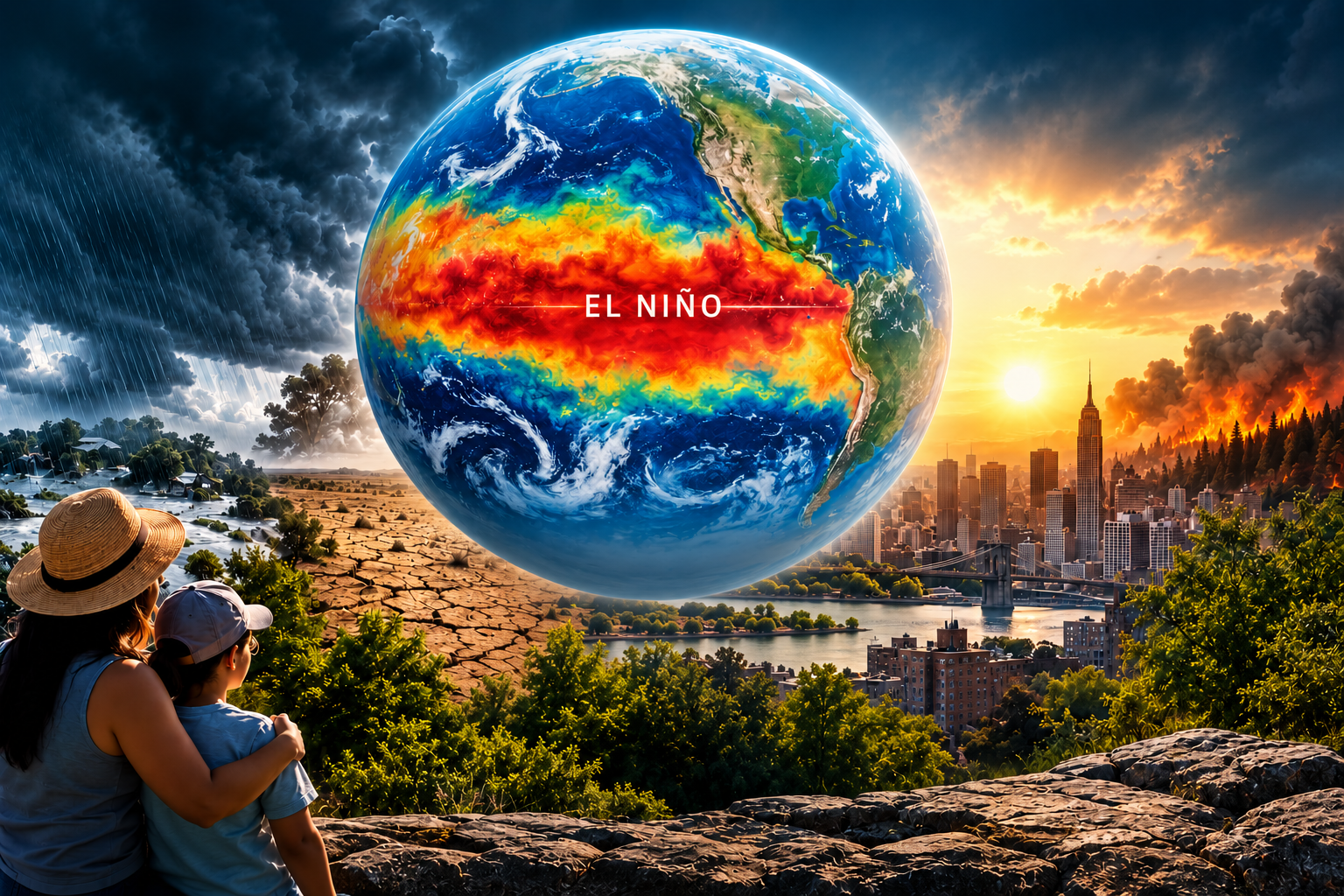
Climate & Health Brief
Sep 05,2026
GreenCap Civic Intelligence
A Forecast Means Time to Get Ready The World Meteorological Organization says El Niño is already happening and will likely get stronger, with these conditions expected to last until February 2027. The effects will vary by region, but the main idea is simple: better forecasts give communities valuable time to prepare. As climate science spots risks sooner, the question is: What kinds of harm can communities avoid if they know about certain climate risks ahead of time?
LEARN MORE
Redevelopment & Infrastructure Watch
Aug 31,2026
WEEKLY CIVIC INTELLIGENCE Monday, August 31, 2026
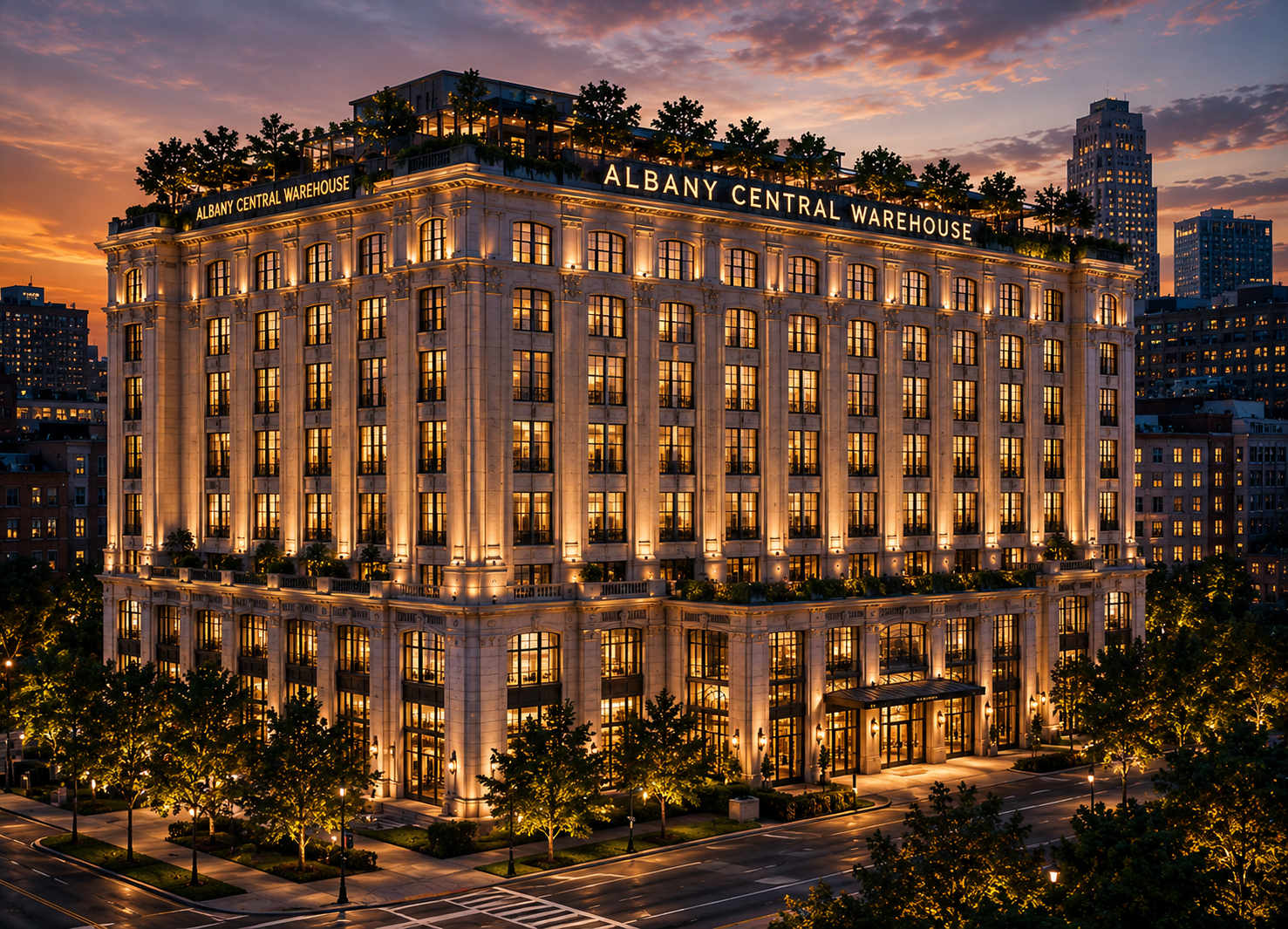
A vacant factory can become housing. A roadway median can become flood infrastructure. A former institutional campus can become a technology district. An established research complex can position a region for industries that barely existed when its infrastructure was first built. The important redevelopment question is therefore not simply, "What can we build here?" It is: "What should this place enable the community to become?"
LEARN MORE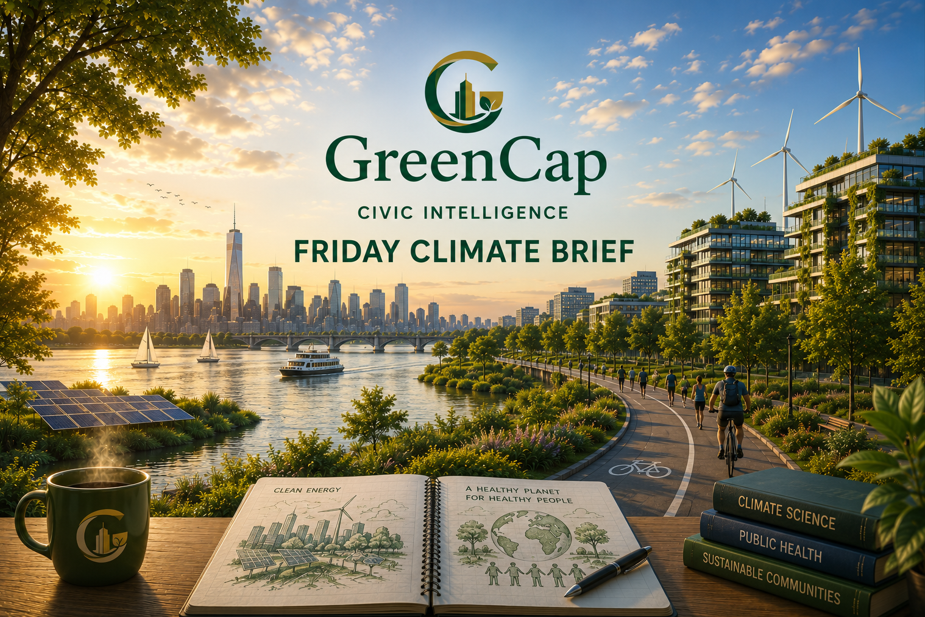
Climate & Health Brief
Aug 30,2026
GREENCAP CIVIC INTELLIGENCE August 29, 2026
The connections between climate hazards are becoming stronger, yet our ability to predict them is increasing. Since the El Niño phenomenon is intensifying and there is still a lot of heat, together with droughts, wildfires, and flooding, weather forecasts should not just focus on describing the weather but should also help communities to protect their health before these situations develop into emergencies. (WMO, July 31 and August 12, 2026; WHO, August 12, 2026)
LEARN MORE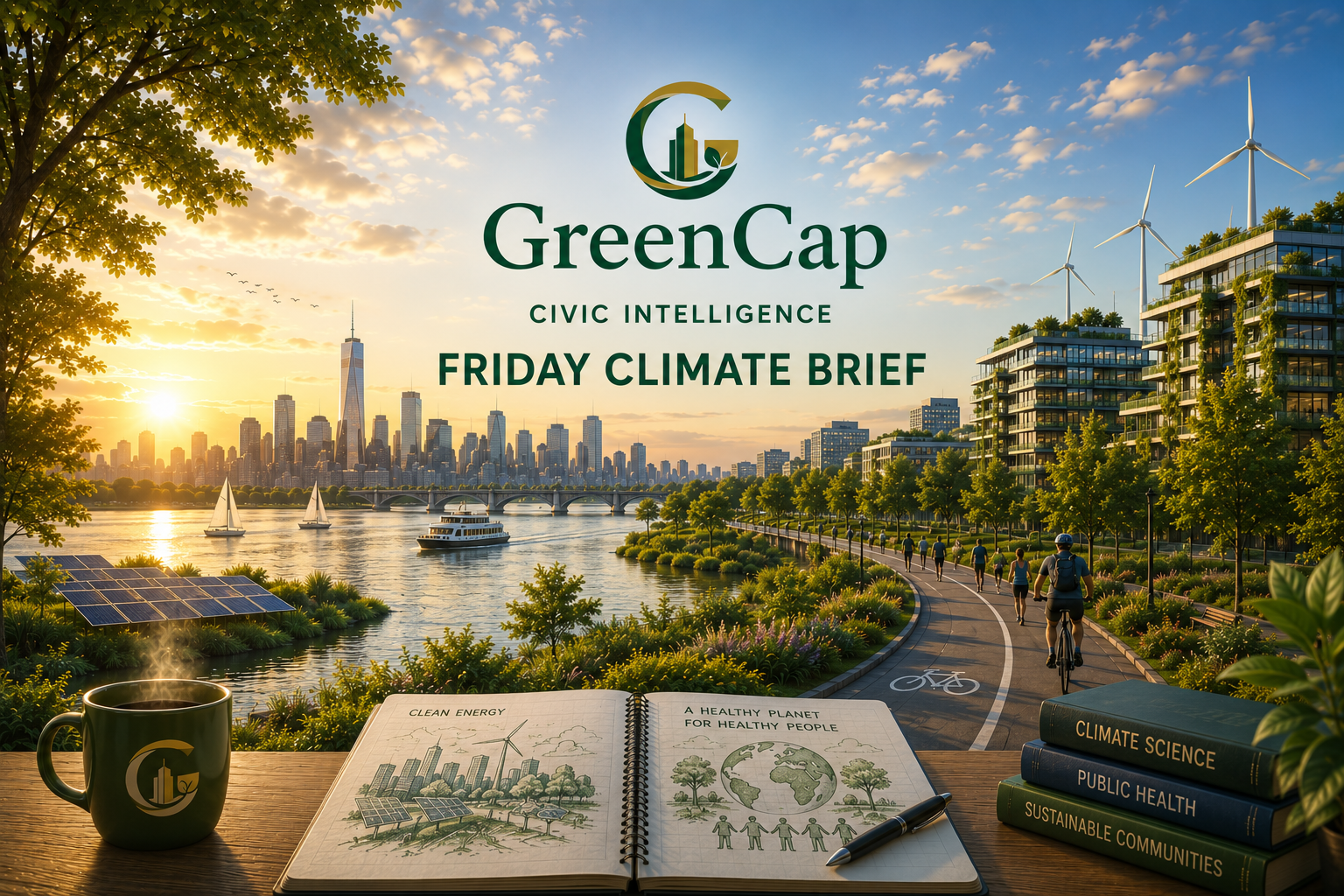
Climate & Health Brief
Aug 21,2026
GREENCAP CIVIC INTELLIGENCE
When extreme heat becomes predictable, protection must become part of how communities are built. July 2026 became the warmest month ever recorded across the contiguous United States. But temperature alone does not explain the growing health risk. Prolonged heat now affects people, housing, workplaces, air quality, infrastructure, agriculture, and public budgets at the same time. The central question is changing: how do we build communities that remain healthy when extreme heat becomes less exceptional and more persistent?
LEARN MOREADAPTIVE REUSE
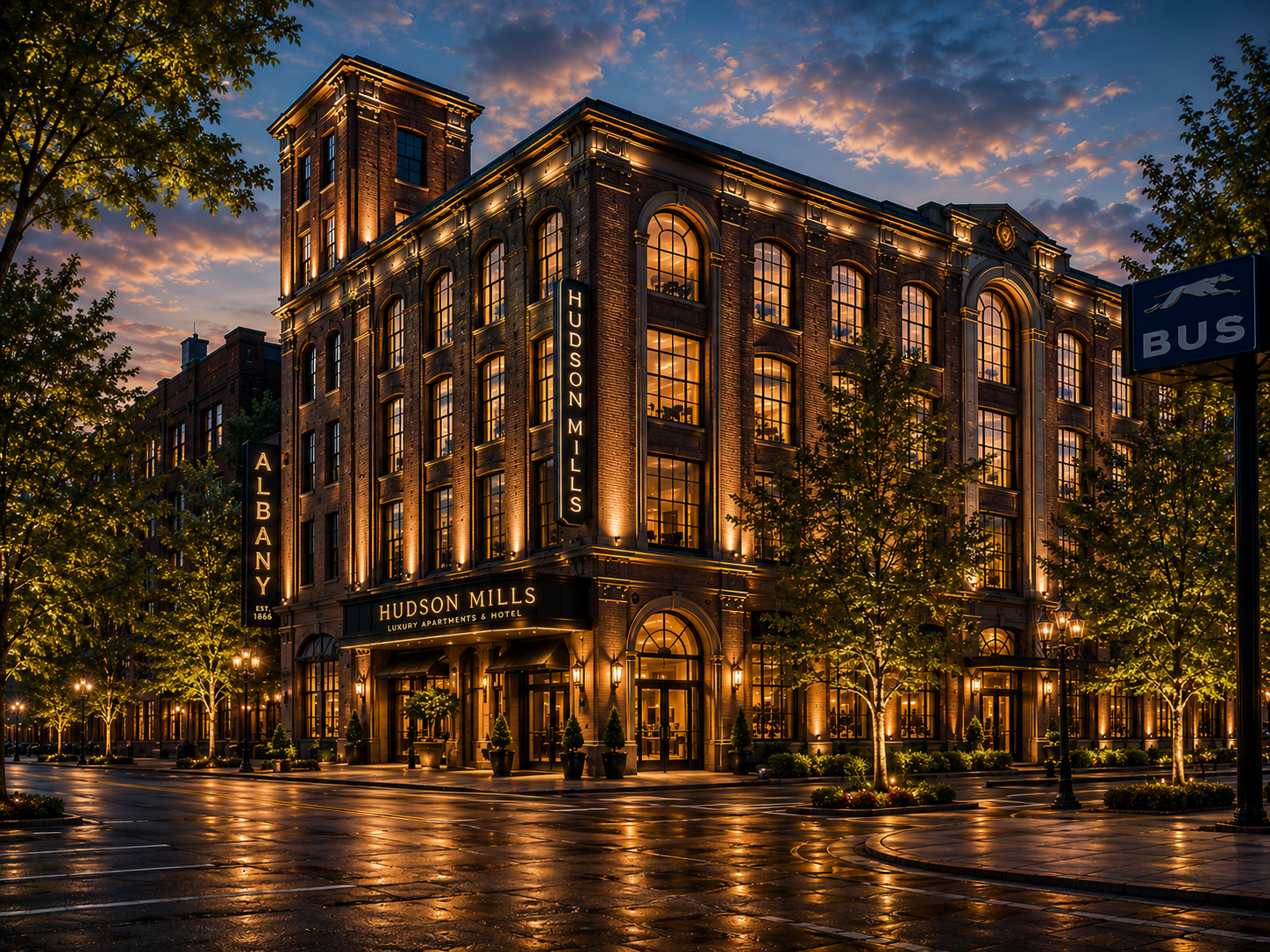
Transforming underutilized properties into vibrant, productive assets for communities.
CLIMATE RESILIENCE
Building a stronger, more sustainable region for generations to come.
COMMUNITY REVITALIZATION
Investing in people, places, and partnerships to create lasting impact.
ECONOMIC DEVELOPMENT
Driving innovation, investment, and opportunity for long-term regional prosperity.
REGIONAL IDENTITY
Celebrating our history while buliding a bold, unified vision for the future.